
 한국어
 English
 中文
 日本語
SIGNATURE · DARK CIRCLE
Dark-circle Filler
Under-eye hollowness and shadows do not all have the same cause.
We consider skin thickness, pigmentation, visible blood vessels, fat, and front-cheek volume to plan the approach needed.

Under-eye hollow area
WHY FILLER
An individual approach
to each under-eye concern
Plan Me offers filler as one option for dark-circle concerns.
We assess the type of under-eye hollowness and borders that may be difficult to address with fat repositioning or removal alone.
Dark circles can have more than one cause.
We first determine whether the concern is darkness, folds caused by uneven fat loss, or an overall reduction in volume.

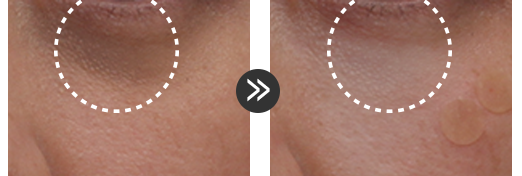
 With shadowsSoftened shadows
TREATMENT COMPARISON
Surgical correction
and eye-area filler
Even with similar dark-circle concerns, the approach varies with the cause and desired recovery schedule.
This comparison reorganizes key points from the existing guidance for the current presentation.
Fat repositioning & removal
Surgical methods for correcting protruding fat and structural concerns.
- Procedure time
- 30 minutes or longer
- Anesthesia
- Sedation
- Recovery
- Swelling may last 2 weeks or longer
- Follow-up assessment
- Reassessment may be needed as aging and tissue changes continue
Dark-circle Filler
Small, precise injections help improve the transition between hollow under-eyes and the front cheeks.
- Treatment time
- 5–10 minutes
- Anesthesia
- Topical anesthetic
- Return to daily activities
- May be possible immediately after treatment
- Duration
- About 1 year or longer
Discomfort and swelling may be relatively limited. Eye-area filler and a single-use cannula allow careful treatment of small areas.
01 · DIAGNOSIS
First, we identify the cause
Filler may help shadows caused by hollowness, while surface pigmentation or visible blood vessels may require a different approach.
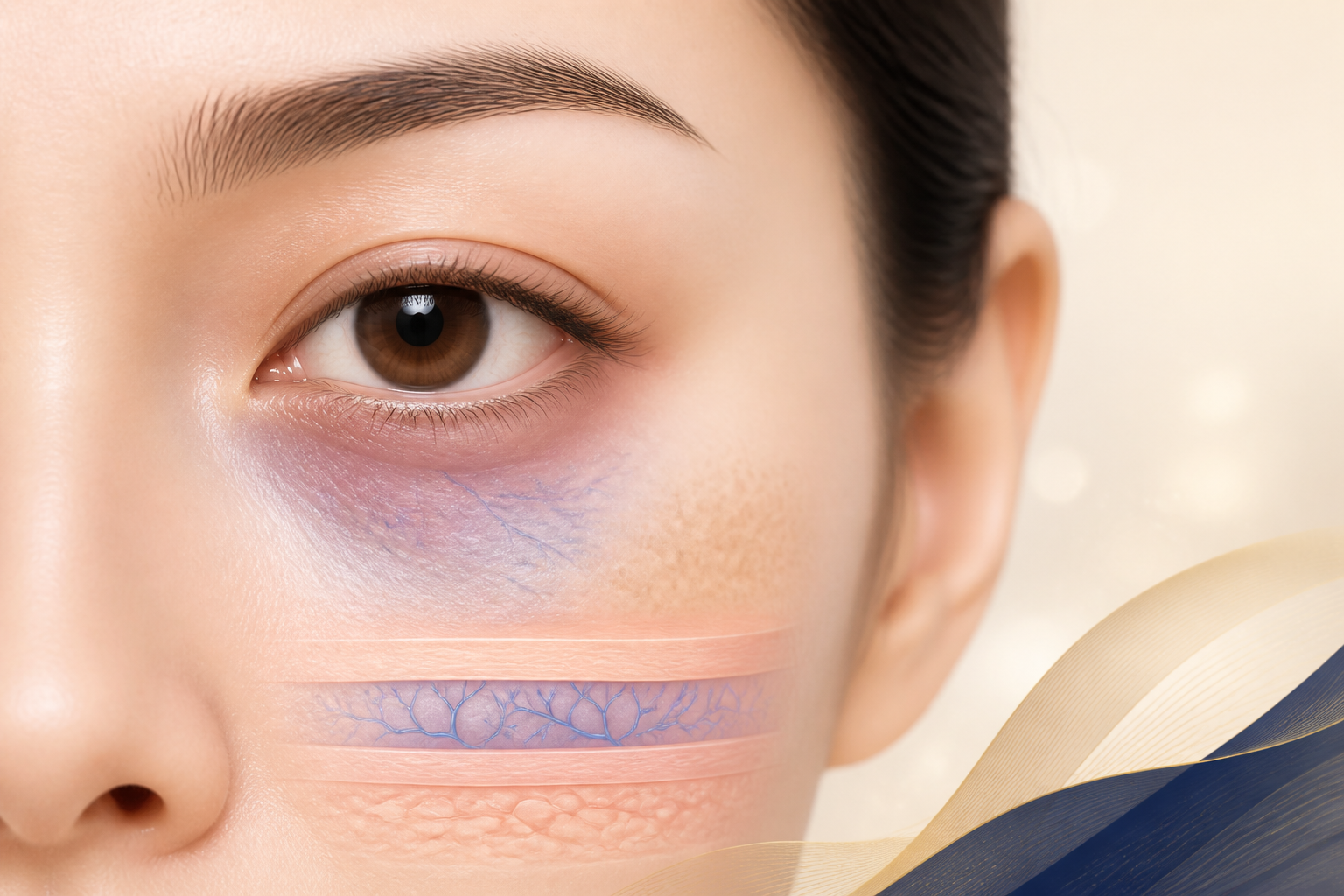
Thin skin & visible blood vessels
Darkness may arise when bluish vessels show through thin skin or from pigmentation at the skin surface.
Visible vessels and surface pigmentation call for different approaches, so identifying the cause comes first.
Fine-particle eye-area filler may provide some improvement in visible vessels by softening the transition beneath the skin.
If surface pigmentation is the main cause, filler may have limited benefit; other options such as laser treatment or skin care are considered.
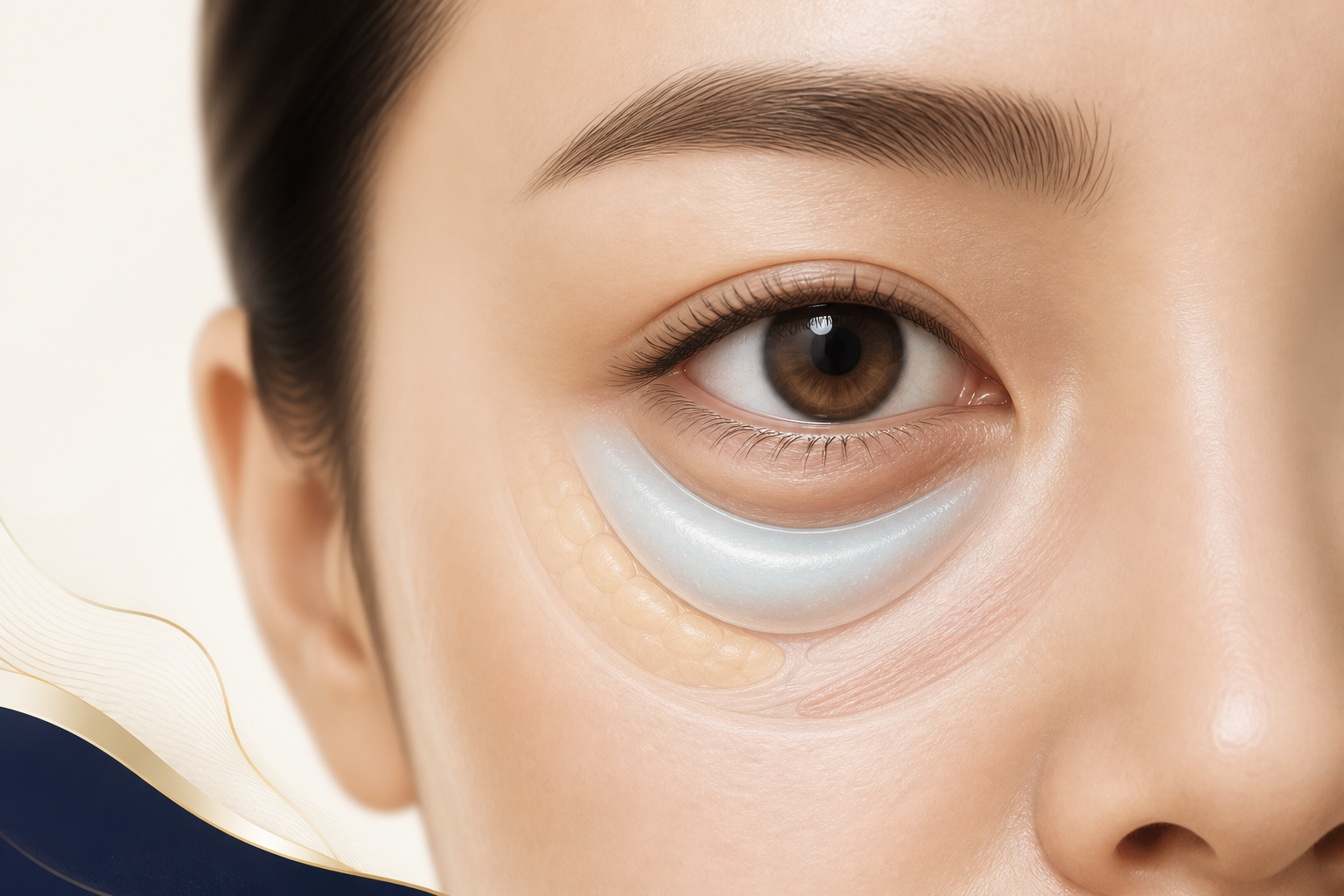
Crescent-shaped under-eye hollowness
Uneven loss of under-eye fat can create a crescent-shaped groove and shadow.
It may be present from birth but often becomes deeper with age.
Fine-particle filler suited to the eye area is carefully placed in a superficial skin layer to soften the border of the groove.
When under-eye fat sagging and reduced skin elasticity are severe enough to form folds, filler alone may have limited effects, so other options are considered.
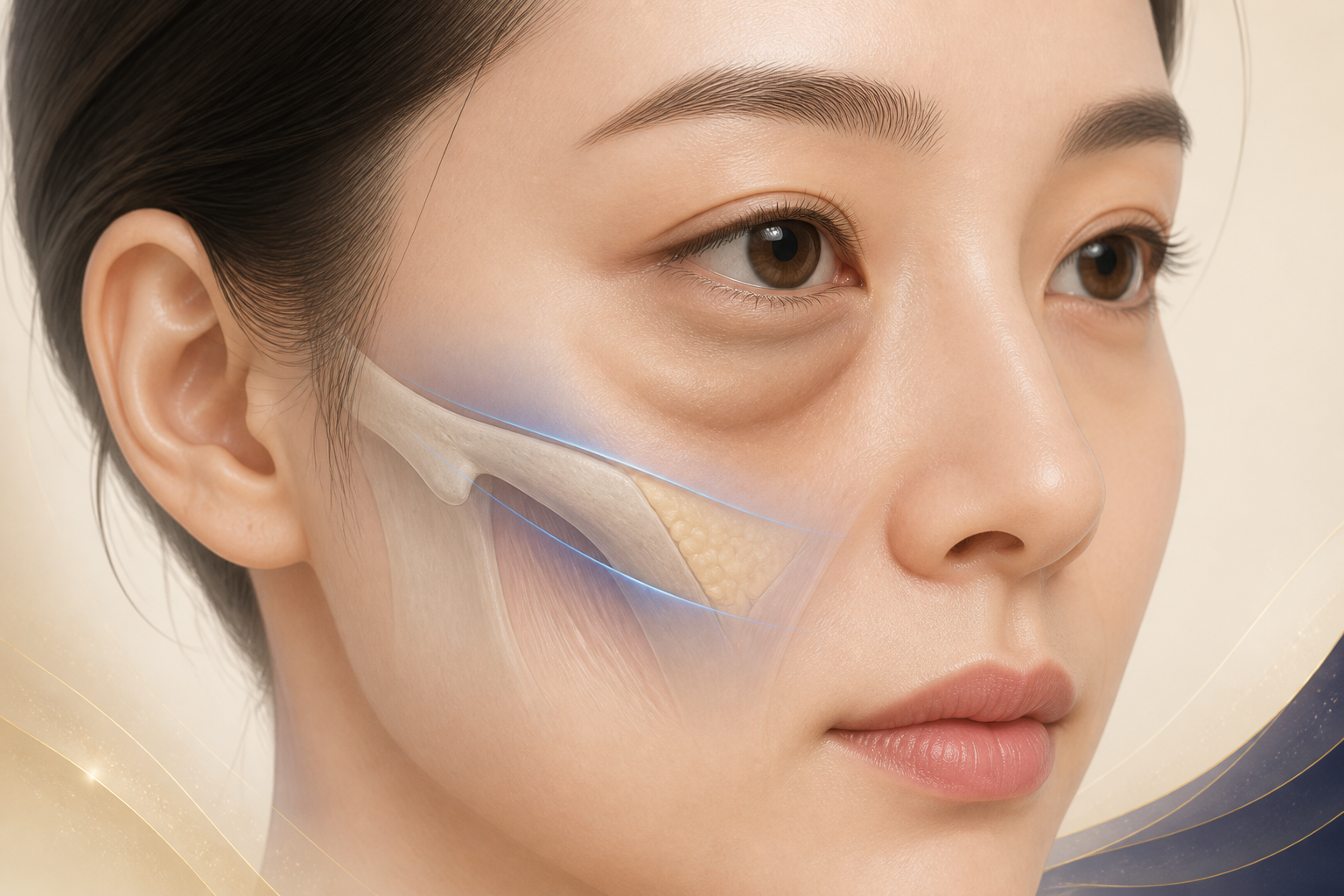
Reduced front-cheek volume
A pattern in which volume beneath the eyes and in the front cheeks decreases overall with age.
Treating only the superficial under-eye area may not sufficiently improve the overall facial transition.
Longer-lasting volumizing filler is first used in a deeper layer near the cheekbone to help support the front cheek and its contour.
If under-eye hollowness is also present, volumizing filler may be used first or at the same visit, then blended with eye-area filler to seek a balanced result.
PERSONAL EYE DESIGN
We consider hollowness and the front-cheek transition togetherPLAN ME CLINIC
02 · PLAN ME POINT
Careful details
tailored to the eyes
- 01
Genuine products & appropriate amounts
We verify genuine products authorized in Europe for eye-area use and carefully plan the amount needed.
- 02
Detail-focused design
We look beyond the under-eye hollow to the tear-trough and front-cheek transition and changes with facial expression, aiming for a natural flow.
- 03
Treatment by the clinic director
Drawing on experience with different under-eye patterns, clinic director Dr. Lee Seung-hwan personally handles consultation, design, and treatment.
03 · DETAIL
Even small differences deserve attention
Because the eye area has thin skin and frequent movement, product particles, injection tools, and depth must be selected carefully.
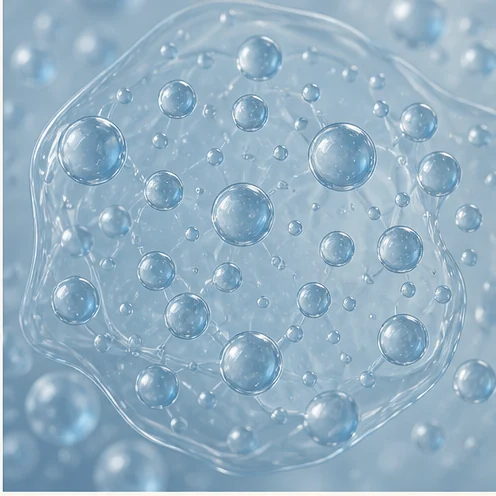
Fine particles suited to the eye area
Conventional fillers with coarse particles can cause nodules or unevenness beneath thin eye-area skin.
We prioritize the fine, uniform particles of eye-area filler and plan for a smooth transition beneath thin skin.
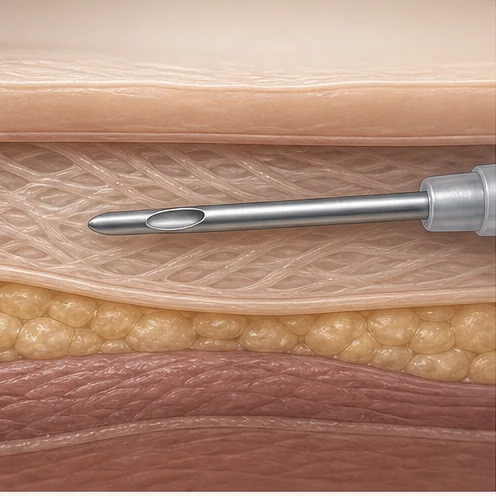
Gentle single-use cannula
Sharp needles can damage blood vessels and increase bruising, swelling, and bleeding.
A single-use, blunt-tipped cannula is used with the aim of reducing stress on vessels and nearby tissue and lowering infection risk.
04 · PROCESS
From consultation to completion
After assessing the cause and skin condition, we individually select the product, depth, and amount needed.
- 01
Consultation & cause assessment
We distinguish hollowness, pigmentation, visible vessels, and front-cheek volume.
- 02
Design & amount planning
We check asymmetry and changes with expression, then mark the area needed.
- 03
Cleansing & topical anesthesia
We clean the treatment area and apply topical anesthetic.
- 04
Filler treatment
Eye-area filler is carefully injected into the planned layer with a cannula.
- 05
Balance check
We make a final check of the transitions and left-right balance from front, profile, and facial-expression views.
05 · REAL CASES
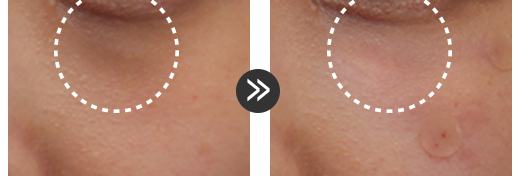
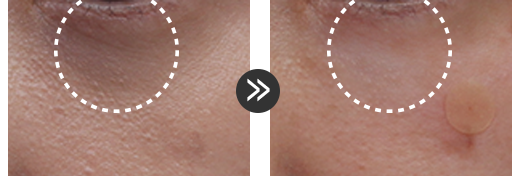
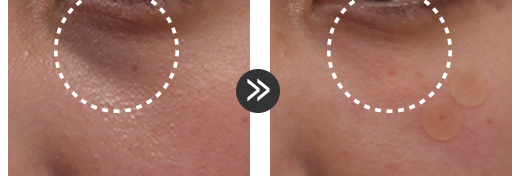
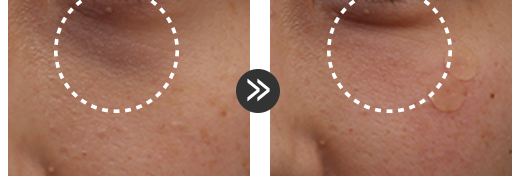
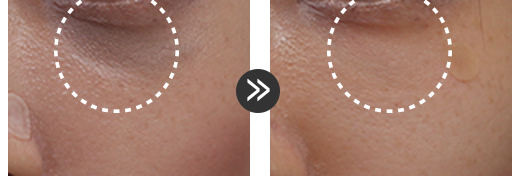
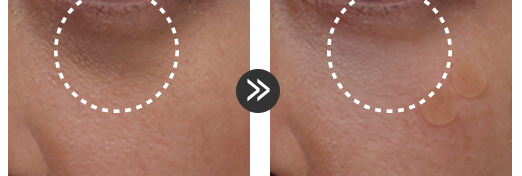
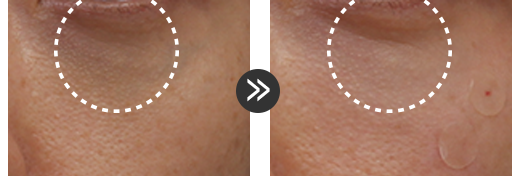
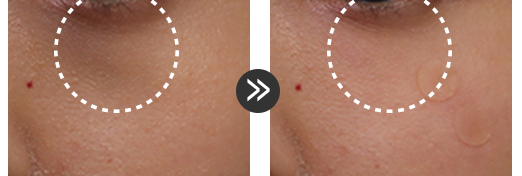
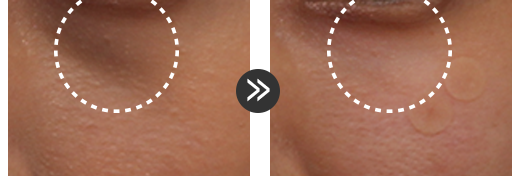
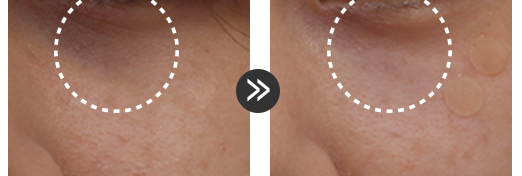
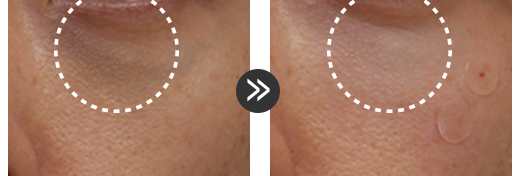
Actual treatment cases
Actual dark-circle filler cases from Plan Me Clinic.Results and duration can vary even with the same treatment, depending on individual under-eye structure and skin condition.
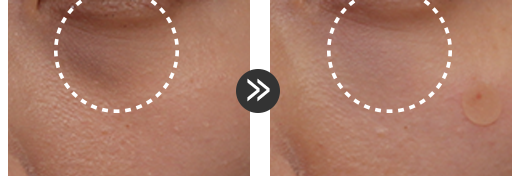
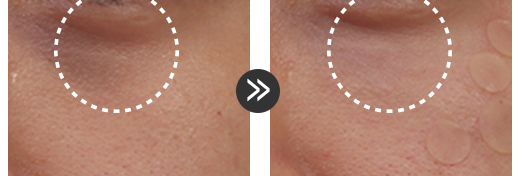
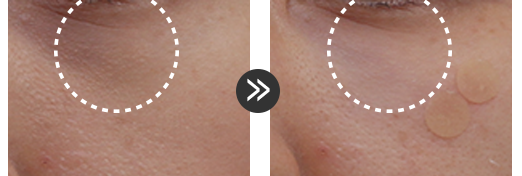
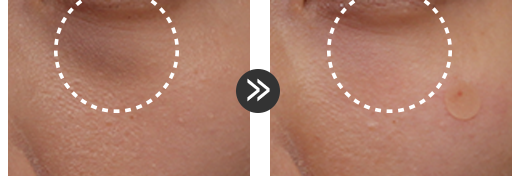
PATIENT QUESTIONS
Plan Me Clinic Dark-circle Filler FAQ
Frequently asked questions about under-eye hollows and dark-circle filler
Q1. How does dark-circle filler differ from regular under-eye filler?
Dark-circle filler is an under-eye filler treatment focused on reducing dark shadows caused by under-eye hollows. The two are not entirely different types of treatment. At Plan Me Clinic, we consider tear-trough depth, anterior cheek volume, and skin thickness together when planning the treatment area and amount of filler.
Q2. Can filler improve all cases of severe dark circles?
Not all dark circles improve with filler. Adding volume may help shadows caused by under-eye hollows, but results may be limited when pigmentation or visible blood vessels are the main cause. Plan Me Clinic assesses the cause of the dark circles before considering suitable options.
Q3. Which products does Plan Me Clinic use for dark-circle filler?
Plan Me Clinic uses genuine filler products suited to the eye area and plans the product and injection amount according to under-eye skin thickness and the degree of hollowing. Because under-eye skin is thin and prone to swelling, both the properties of the filler and the injection depth must be considered. You can confirm the actual product during your consultation.
Q4. How many cc are usually needed, and how long does dark-circle filler last?
The amount depends on the depth of the under-eye grooves, differences between the two sides, and whether any previous filler remains. We generally advise that the effect may last approximately one year or longer, but the actual duration varies with the product and individual tissue characteristics.
Q5. Can I have another treatment if I have had under-eye filler before?
Repeat treatment may be possible, but the amount of remaining filler should be assessed first. Some filler may remain even after a long time. Adding too much can cause under-eye puffiness or swelling. Depending on your condition, correction or removal of the existing filler may be considered first.
Q6. Does dark-circle filler have any side effects?
Bruising, swelling, asymmetry, unevenness, or a bluish tint may occur after treatment. Rare but serious complications, including vascular occlusion or damage to vision, can also occur. Severe pain, changes in skin color, or vision problems after treatment require immediate medical attention.
AFTER CARE
Aftercare
- Mild redness and marks at injection sites may last about 1–2 days.
- Please avoid rubbing or massaging the treated area firmly.
- Please temporarily avoid high-heat activities such as saunas and steam rooms.
- It is advisable to avoid alcohol and smoking for about 2–3 days.
Effects, duration, and recovery vary between individuals. Treatment follows a thorough consultation.