
 한국어
 English
 中文
 日本語
Sunken-looking eyelids do not necessarily mean that you need upper eyelid filler.
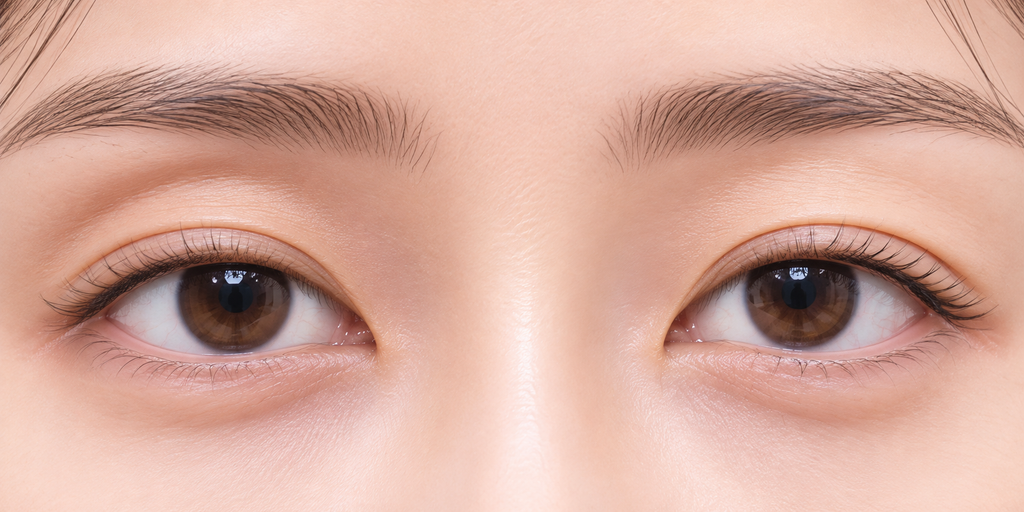
Hollowness in the upper eyelid can arise from several causes, including changes in fat and soft-tissue volume, skin laxity and changes in eyelid structure.
Upper eyelid filler is one option that may be considered when there is an actual lack of volume.
However, if impaired eyelid function or skin laxity is the main cause, another assessment or treatment may be needed before filler is considered.
When considering eyelid filler, it is therefore important to assess eyelid function and the surrounding structures as well as the location of the hollow.
- What do eyelid filler and upper eyelid filler mean?
Eyelid filler and upper eyelid filler generally refer to injectable treatments considered for replacing lost volume around the upper eyelid.
Medical literature describes this appearance using terms such as upper eyelid hollowing, sunken upper eyelid and superior sulcus hollowing.
It can appear as a hollow extending from beneath the eyebrow toward the upper eyelid sulcus.
The term upper eyelid filler does not refer to a separate, standardized treatment technique.
The actual treatment area can vary with the location and structure of the eyelid hollow.
Studies have reported using hyaluronic acid filler to replace upper eyelid volume, but the same approach cannot be applied to every case of sunken eyelids.
- What are the main causes of upper eyelid hollowness?
Upper eyelid hollowness can broadly be associated with four factors.
The first is a change in fat and soft-tissue volume.
Changes in fat distribution around the eyes can make the boundary between the eyebrow and eyelid appear deeper.
The second is natural anatomy.
Deep-set eyes, the surrounding bone structure and the distribution of soft tissue can make the upper eyelid look naturally hollow.
The third is aging and changes in skin elasticity.
As the tissues and skin around the eyelid change, an existing hollow may become more noticeable.
The fourth is a structural change following previous surgery.
After double-eyelid or upper eyelid surgery, changes in fat distribution and tissue shape can lead to hollowness above the eye.
These causes can coexist.
It is therefore important not to assume a single cause when considering eyelid filler.
- How is eyelid hollowness related to the double-eyelid crease?
Upper eyelid volume can affect the shape of the double-eyelid crease.
When there is insufficient soft tissue in the upper eyelid, changes in how the skin folds may make the crease look deeper or create several folds.
In particular, after previous double-eyelid surgery, the relationship between the surgically created crease and surrounding volume should be assessed together.
Some clinical studies have reported changes in the shape of the double-eyelid crease after upper eyelid volume replacement with hyaluronic acid filler.
However, these results do not apply to everyone.
If the cause is eyelid skin laxity or impaired function of the muscle that opens the eye, filler alone may not be able to adjust the crease.
Eyelid filler may be considered for volume replacement, but it is not a treatment for functional eyelid problems.
- When might upper eyelid filler be considered?
Upper eyelid filler may be considered selectively when a genuine lack of volume around the upper eyelid has been confirmed.
Examples include a pronounced hollow between the eyebrow and upper eyelid, or a volume deficit after previous eyelid surgery.
However, the shape and depth of the hollow must be assessed alongside skin thickness, previous surgical changes and eye function.
The upper eyelid has thin skin and moves frequently, so even a small change in volume from filler can affect its appearance.
The possibility of swelling, asymmetry and an irregular contour after treatment must also be considered.
Even when volume is genuinely lacking, filler cannot automatically be assumed to be the first choice.
- When should another treatment take priority over eyelid filler?
Even if the area above the eye looks hollow, another approach may be needed when volume loss is not the cause.
A common example is significant laxity of the eyelid skin.
When excess skin drapes over the eyelid, simply adding filler may be inappropriate.
Ptosis, in which the muscle function responsible for opening the eye is impaired, must also be distinguished.
With ptosis, assessing eyelid height and the ability to open the eye is important.
Changes in eyelid shape caused by adhesions or scarring after previous surgery may also require a separate medical assessment.
In particular, sudden eyelid drooping, double vision or changes in vision call for ophthalmic assessment before any cosmetic procedure.
- Evidence and limitations of eyelid filler
Studies have reported using hyaluronic acid filler to replace deficient upper eyelid volume.
An observational study published in 2009 assessed contour changes after filler treatment in 27 patients with upper eyelid volume deficits.
Although the study found changes in upper eyelid contour in some patients, its limitations include a small sample and the absence of a randomized controlled design.
A prospective comparative study published in 2026 also evaluated injectable treatment outcomes for upper eyelid hollowness.
However, the limited study size, treatment conditions and patient characteristics mean that the same results cannot be expected in every patient.
Filler treatment around the eyes also requires particular anatomical care compared with general facial volume treatments.
The U.S. FDA does not include filler injections around the eyes among approved uses.
In Korea, the Ministry of Food and Drug Safety approval information for the specific product and its suitability for the intended treatment area must also be checked.
- Risks and safety considerations for eyelid filler
Important blood vessels related to vision run through the area around the eyes.
Filler can cause temporary swelling, bruising and pain, and asymmetry or nodules may also occur.
Rare but serious complications, including vascular occlusion, skin necrosis and vision damage, have been reported.
In particular, sudden vision changes, severe pain or changes in skin color during or immediately after treatment require emergency medical care.
Before deciding on eyelid filler, review the product’s characteristics and approved uses, the treatment area, potential complications and the available emergency response procedures.
- Key assessment points at an upper eyelid filler consultation
The following factors should be assessed together when determining whether eyelid filler is suitable.
First, establish whether there is an actual lack of upper eyelid volume.
Second, check for accompanying skin laxity or functional eyelid problems.
Third, review any history of double-eyelid surgery, ptosis correction, fat removal or other procedures.
Fourth, assess differences between the two eyelids, eyebrow position and the shape of the existing eyelid crease.
Fifth, consider whether filler is appropriate and review its potential risks.
At our clinic, we place importance on assessing the structure and function of the eye area together, rather than viewing eyelid hollowness in isolation.
Frequently asked questions
Q. Do eyelid filler and upper eyelid filler mean the same thing?
They are generally used in a similar sense, but the actual injection site and treatment purpose may differ. They usually refer to treatments considered for replacing deficient volume around the upper eyelid.
Q. Can I have filler if my upper eyelids look sunken?
It may be considered if a genuine volume deficit is confirmed. However, filler may be unsuitable if another cause, such as eyelid drooping or impaired function, is present.
Q. Can eyelid filler change my double-eyelid crease?
Changes in volume may alter the shape of the eyelid crease. However, filler cannot correct every type of crease change.
Q. Is eyelid filler safe?
The eyelid region contains closely situated blood vessels and important eye structures. Rare but serious complications, including vision damage, are possible, so the product’s approved uses and individual treatment suitability must be checked.
Conclusion
Eyelid filler and upper eyelid filler may be considered for replacing deficient upper eyelid volume, but they are not suitable for every case of sunken eyelids.
The shape of the upper eyelid can vary with fat and soft-tissue distribution, skin condition, eyelid function and previous surgery.
Before deciding on treatment, it is therefore important to establish the actual cause of the hollow and assess the eye’s structure.
If you are exploring eyelid or upper eyelid filler in Seolleung, seek a thorough medical assessment to identify an approach suited to your current eyelid condition, rather than simply looking for a way to fill the hollow.